Diabetic Eye Exams in Norman: Why Clear Vision Doesn't Always Mean Healthy Eyes
Blog:Diabetic Eye Exams in Norman: Why Clear Vision Doesn't Always Mean Healthy Eyes
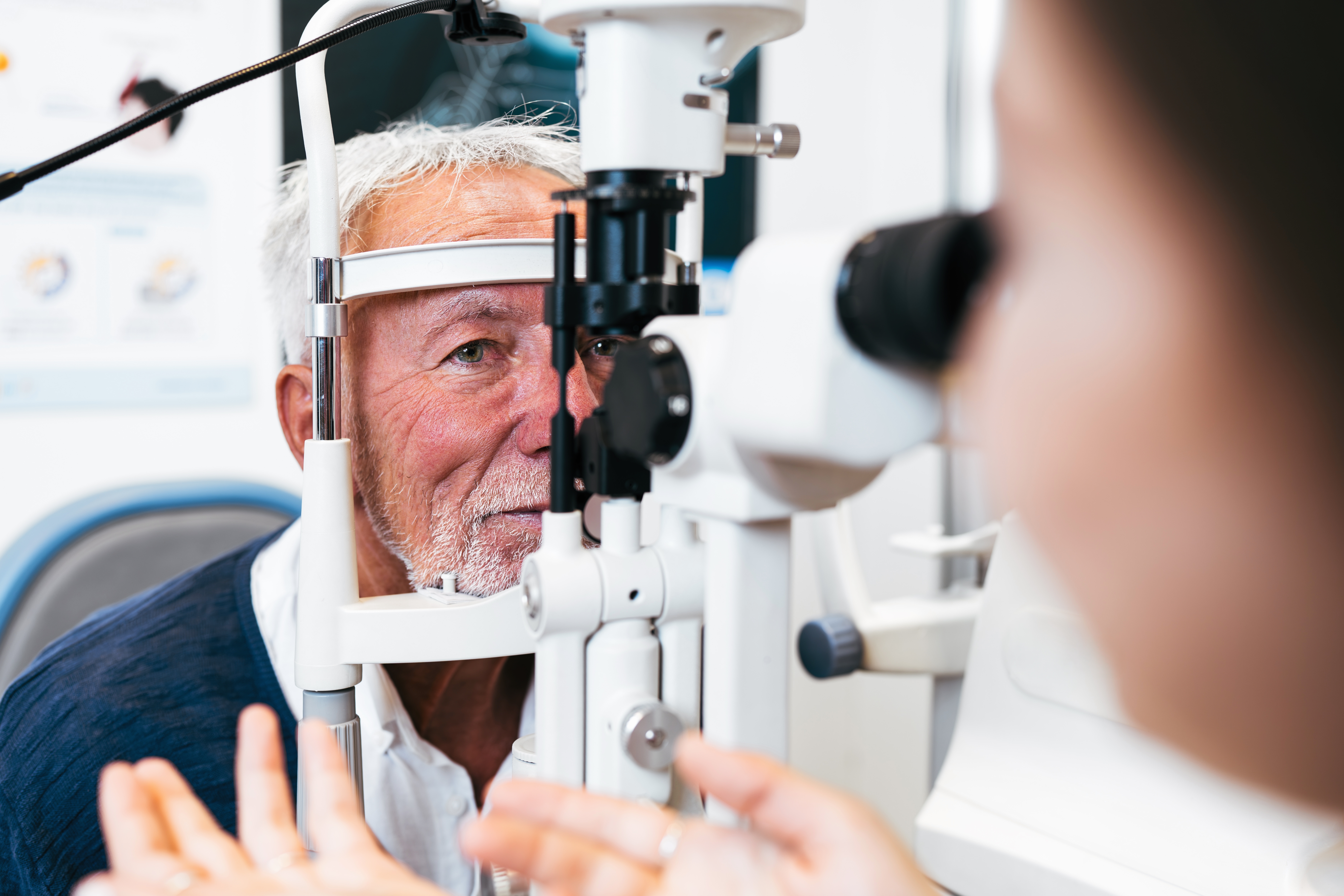
Being able to read road signs, use your phone, and go about your day without blurry vision can make it easy to assume your eyes are healthy. However, diabetes can affect the delicate blood vessels in your eyes long before your eyesight changes. At Eyecare Center in Norman, OK, we emphasize the importance of diabetic eye exams to detect potential problems early, even when your vision seems perfectly clear.
Why Clear Vision Doesn't Always Mean Healthy Eyes
Diabetic retinopathy develops when high blood sugar damages the tiny blood vessels that supply the retina. In its early stages, this damage may cause no noticeable symptoms. You may still have 20/20 vision while changes are developing inside your eyes.
Over time, damaged blood vessels can leak, bleed, or cause swelling in the macula, the area responsible for sharp central vision. These changes can eventually interfere with reading, driving, and other everyday activities.
Diabetes can also increase your risk of developing cataracts and glaucoma. Because these conditions may progress without obvious warning signs, clear vision alone cannot confirm that your eyes are healthy.
What Happens During a Diabetic Eye Exam?
At Eyecare Center, our diabetic eye exams in Norman go beyond checking your prescription. We evaluate your overall eye health and look for changes that could indicate diabetes-related complications.
During your examination, we may perform:
· Medical History Review: Discussing your diabetes management, blood sugar history, medications, and any vision changes.
· Visual Acuity Testing: Measuring how clearly you see and identifying changes in your eyesight.
· Retinal Examination: Examining the retina and its blood vessels for signs of damage, bleeding, or swelling.
· Retinal Imaging: Using advanced imaging technology, including Optos ultra-widefield imaging, to help evaluate and document retinal health.
· Additional Testing: Performing further assessments when necessary to investigate potential complications.
Retinal imaging provides valuable information, but it does not always replace a dilated eye examination. Our team determines which evaluations are appropriate based on your individual needs.
How Often Should You Schedule a Diabetic Eye Exam?
People with diabetes should generally receive a comprehensive dilated eye exam at least once a year, even when their vision remains stable. Some patients may require more frequent visits depending on their eye health and medical history.
Routine diabetic eye exams are particularly important because identifying retinal changes early allows us to recommend appropriate monitoring, treatment, or referral before significant vision loss occurs.
Managing blood sugar, blood pressure, and cholesterol also plays an important role in protecting your eyesight. However, even patients with well-controlled diabetes need regular eye examinations.
Warning Signs That Shouldn't Be Ignored
Although diabetic eye disease can develop without symptoms, certain changes may indicate a problem. These include blurred or fluctuating vision, new floaters, dark spots, and difficulty seeing at night.
Sudden vision loss, a curtain-like shadow, or a sudden increase in floaters requires urgent medical evaluation. Do not wait until your next scheduled eye exam.
If you have recently been diagnosed with diabetes or have missed your annual examination, scheduling an appointment can help identify concerns before they affect your daily vision.
Protect your eyesight with a comprehensive diabetic eye exam at Eyecare Center in Norman, OK. Call (405) 360-3590 today to schedule your appointment and stay proactive about your eye health.
Helpful Articles
article_category: contact lenses
article_category: large animal
article_category: health
article_category: eyeglasses
article_category: preventative
article_category: dogs
article_category: general
article_category: technology
article_category: psychiatry
article_category: restorative
article_category: Aesthetics
article_category: eye health
article_category: ocular disease management
article_category: exotic
article_category: services
article_category: cats
article_category: cosmetic
article_category: vision therapy
article_category: FAQ & tips
article_category: conditions
[]
Flowbite is an open-source library of interactive components built on top of Tailwind CSS including buttons, dropdowns, modals, navbars, and more.
Check out this guide to learn how to get started and start developing websites even faster with components on top of Tailwind CSS.

All Eyecare Services
We offer a wide variety of eye care services to the Norman and surrounding communities. Contact us with any questions about our services.

Keep In Touch
For non-urgent questions or to learn more about our services, contact us today!

Quick Links
Contact Info
- 1350 East Imhoff
Norman, OK 73071 - Phone: (405) 360-3590
- Fax: (405) 360-0546
Hours of Operation
- Monday 8:00am - 5:30pm
- Tuesday 8:00am - 5:30pm
- Wednesday 8:00am - 5:30pm
- Thursday 8:00am - 5:30pm
- Friday 8:00am - 5:00pm
- Saturday Closed
- Sunday Closed
- Monday
- Tuesday
- Wednesday
- Thursday
- Friday
- Saturday
- Sunday
- Monday
- Tuesday
- Wednesday
- Thursday
- Friday
- Saturday
- Sunday
© 2026 Eyecare Center. All rights Reserved - Accessibility Statement - Privacy Policy - Sitemap
Managed and Designed by 