Signs Your Child Might Need an Eye Exam
Blog:Signs Your Child Might Need an Eye Exam
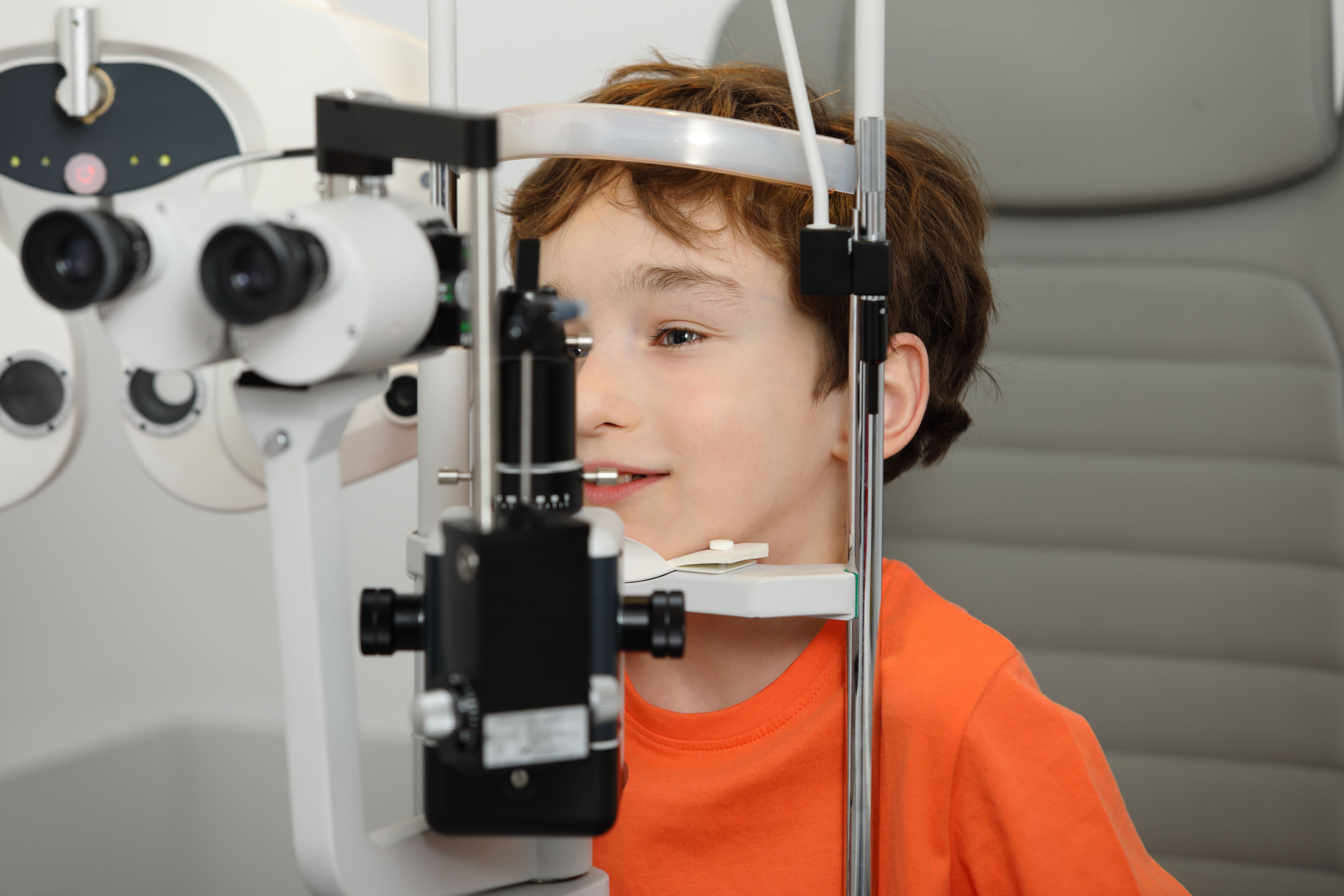
From reading the board at school to recognizing faces and developing hand-eye coordination, healthy eyesight plays a critical role in childhood development. Unfortunately, many vision problems in children go unnoticed because kids often assume everyone sees the way they do. Recognizing the signs early can make a meaningful difference in your child’s academic performance and overall well-being.
The Connection Between Vision and Learning
Up to 80 percent of learning in children is visual. Skills such as reading, writing, comprehension, and attention all depend on clear, comfortable vision. When a child struggles to see properly, learning can become frustrating and exhausting. Vision problems may sometimes be mistaken for learning disabilities, behavioral issues, or attention challenges.
A child who can’t see the board clearly or struggles to track words while reading may fall behind academically, even if they are capable and motivated. Regular eye exams help ensure that vision issues are identified and addressed before they interfere with learning and confidence.
Common Eye Conditions in Children
Several vision conditions frequently affect children, many of which can be corrected or managed when caught early:
• Nearsightedness (myopia): Difficulty seeing distant objects, such as classroom boards or signs
• Farsightedness (hyperopia): Trouble focusing on close-up tasks like reading or drawing
• Astigmatism: Blurred or distorted vision at any distance
• Amblyopia (lazy eye): Reduced vision in one eye due to poor visual development
• Strabismus: Eye misalignment, such as crossed or drifting eyes
Because children’s eyes are still developing, early detection is especially important to support proper visual growth.
Signs of Vision Problems in Kids
Children may not always verbalize vision issues, but their behavior often provides important clues. Consider scheduling an eye exam if you notice your child:
• Squinting, rubbing their eyes, or blinking excessively
• Complaining of headaches or tired eyes, especially after school
• Holding books or screens very close to their face
• Losing their place while reading or avoiding reading altogether
• Struggling with concentration or showing a sudden drop in academic performance
• Sitting very close to the TV or favoring one eye
• Tilting their head or covering one eye to see better
• Showing sensitivity to light or excessive tearing
The Importance of Regular Pediatric Eye Exams
Vision screenings at school or during pediatric checkups are helpful but limited. A pediatric eye exam provides a more thorough evaluation of eye health, visual acuity, eye coordination, and focusing ability.
Regular eye exams allow eye doctors to:
• Detect vision problems early, even before symptoms appear
• Monitor eye development as your child grows
• Support academic success and classroom comfort
• Prevent long-term vision complications
Children should receive eye exams at key developmental stages and as recommended by their eye doctor, even if no symptoms are present.
Schedule Your Child’s Eye Exam Today
Clear vision is essential to your child’s ability to learn, grow, and thrive. Addressing vision problems early can improve academic performance, boost confidence, and support lifelong eye health.
If you’ve noticed any signs of vision problems, contact Eyecare Center to schedule a pediatric eye exam and give your child the clear vision they need for success. Visit our office in Norman, Oklahoma, or call (405) 360-3590 today.
Helpful Articles
article_category: contact lenses
article_category: large animal
article_category: health
article_category: eyeglasses
article_category: preventative
article_category: dogs
article_category: general
article_category: technology
article_category: psychiatry
article_category: restorative
article_category: Aesthetics
article_category: eye health
article_category: ocular disease management
article_category: exotic
article_category: services
article_category: cats
article_category: cosmetic
article_category: vision therapy
article_category: FAQ & tips
article_category: conditions
[]
article_category: large animal
article_category: health
article_category: eyeglasses
article_category: preventative
article_category: dogs
article_category: general
article_category: technology
article_category: psychiatry
article_category: restorative
article_category: Aesthetics
article_category: eye health
article_category: ocular disease management
article_category: exotic
article_category: services
article_category: cats
article_category: cosmetic
article_category: vision therapy
article_category: FAQ & tips
article_category: conditions
[]
Flowbite is an open-source library of interactive components built on top of Tailwind CSS including buttons, dropdowns, modals, navbars, and more.
Check out this guide to learn how to get started and start developing websites even faster with components on top of Tailwind CSS.

All Eyecare Services
We offer a wide variety of eye care services to the Norman and surrounding communities. Contact us with any questions about our services.

Keep In Touch
For non-urgent questions or to learn more about our services, contact us today!

Quick Links
Contact Info
- 1350 East Imhoff
Norman, OK 73071 - Phone: (405) 360-3590
- Fax: (405) 360-0546
Hours of Operation
- Monday 8:00am - 5:30pm
- Tuesday 8:00am - 5:30pm
- Wednesday 8:00am - 5:30pm
- Thursday 8:00am - 5:30pm
- Friday 8:00am - 5:00pm
- Saturday Closed
- Sunday Closed
- Monday
- Tuesday
- Wednesday
- Thursday
- Friday
- Saturday
- Sunday
- Monday
- Tuesday
- Wednesday
- Thursday
- Friday
- Saturday
- Sunday
© 2026 Eyecare Center. All rights Reserved - Accessibility Statement - Privacy Policy - Sitemap
Managed and Designed by 